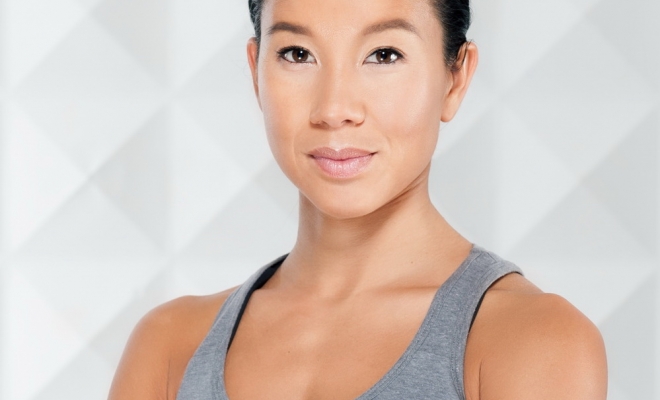
Alexa Le is «the
A mixture of functional training, medical gymnastics, pillates, choreography, yoga, breathing techniques — all of it practised to great music and within one lesson — isn’t it the highest ideal of the world of fitness? The bodyART concept gives you the opportunity to work not only with your physical body, but also with your subtle body, thus uniting your body, mind, and soul, challenging their opposition.
Steinbacher started working on his project in 1994, when he worked with children having special needs in the center for curative education. Interesting fact: there’s no direct translation of this term from English into Russian. They call challenged people «people having special needs» — so Robert took into account these very special needs, while he was helping people to acquire the joy of movement, to regain control over their bodies. Later this experience, enhanced by his passion for choreography, formed a so-called «Western», «active», «Yang» basement of the concept. While Alexa’s experience in Eastern approaches, her knowledge of Shiatsu, yoga and Qi Gong created the «Eastern», «Yin» component.
With Alexa joining the team, the new concept was transformed and refined. Energetics and deeper breathing techniques — that was what bodyART needed so much. Every exercise was finally proved in an anatomic, muscular, energetic way.
After years of intensive and laborious work, with the help of a number of team-mates, especially Johanna Felner and Brigitte Saller, bodyART has become one of the most popular fitness approaches, twice awarded for best international concept by ECA World Fitness awards. Since this concept is still rather new in Russia, we decided to get more information directly from Alexa Le.
What inspired you to collaborate with Robert Steinbacher on the creation of the bodyART concept?
At the time I was in the Shiatsu Training, was practicing Qi Gong and dancing a lot. I met Robert in a dance Studio. When I met him something felt completed. Like Yin and Yang put together — we are so different yet «one» together. When Robert introduced me to his ideas and the structure of bodyART it felt like the next natural step to work with him. We have different approaches when it comes to movement and exercises — but it works together very complementary.
What is special about bodyART, what makes it unique and different from other body-mind training concepts?
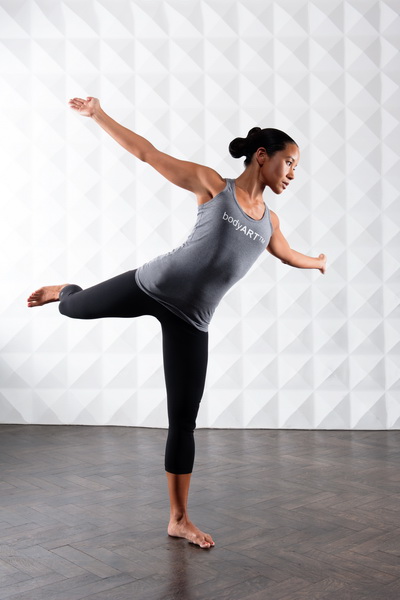
BodyART is a training which is based on the five Elements of the traditional Chinese Medicine. It works strength, flexibility and centers the mind. It’s a very complete system which trains the physical body and at the same time helps to balance the mind. The participant can challenge him or herself on their own level and grow with the programme. It’s a programme which keeps the participants curious and invites them to discover their full potential in strength, flexibility and bodyawareness. A lot of the participants feel the changes in their daily life like a better posture, lightness during the day and less pain in their back.
How many bodyART programmes are there? deepWORK, flow and other — what are the main differences between them?
There are two main categories of bodyART classes: bodyART STRENGTH and bodyART ENERGETIC.
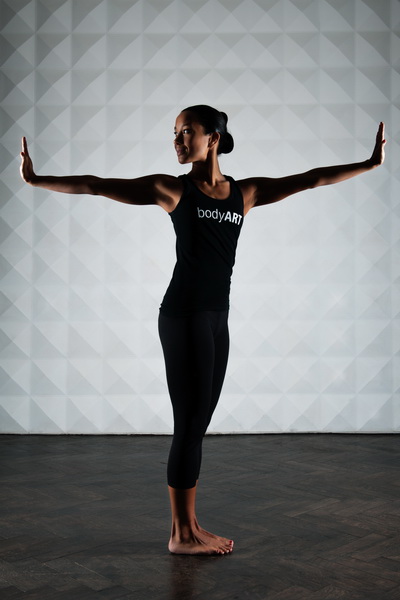
BodyART STRENGTH helps to improve strength, flexibility and balance. It has positive effects on stability, coordination, well-being and body posture. It can make you feel strong and vital in your everyday life.
BodyART ENERGETIC is focused on flowing movements, stretching and relaxation. All this will lead to an improvement in your daily well-being. This unique training will positively affect your vitality, your ability for regeneration, your mental balance.
The different categories like bodyART dynamic, bodyART flow, bodyART stretch, bodyART myofascial, bodyART best age, bodyART Pure, bodyART personal trainer etc. are there to broaden the knowledge of the trainer. The trainer has better skills to support their participants’ individual needs.
DeepWORK and B.A.X — bodyART Xtreme are two concepts developped by Robert Steinbacher and are both complementary with the bodyART Training. They represent high intensity training, much fun and sweat.
BodyART has recently gained great popularity. Does it really suit everyone, without any contraindication? Do you know how old the eldest (or maybe the youngest) of your followers was?
We have children, adults and older people up to 80 years old participating. It’s unique in the sense that everybody can attend the training — from people who recover from injuries up to top athletes! And this is why a lot of the people stay with our training once they start with it.
The trainer has to be experienced to work with a big range of people. But this happens in an organic way — the instructors come back to educate themselves in specific topics like bodyART best age, bodyART personal trainer etc. Some instructors will become very good at working with younger participants and others with athletes or older people. This is a strong part of the bodyART training — it’s health based and can adapt to the different consumers’ needs.
What type of training would you recommend to complete beginners — group work or personal training? Is there any particular difference? What approach do you prefer as a coach?
If a participant is completely new to sports and training it might be good to have a combination of
If someone is looking to have a regular training which helps to develop strength, flexibility and more bodyawareness, grouptraining is enough. If a participant has specific goals like for example: to train specifically strong shoulder and open up their hips, it is helpful to get a couple of sessions of personal training to adress these topics.
As a coach I like to work both: groups and personal trainings for different reasons. In a group there is fun and a motivation factor to train «together», in a personal training there is a big potential to improve on alignment, technic and understanding of the different exercises.
Is it possible to practise bodyART independently, at home, or is it preferable to train under control and coach’s supervision?
It is safe and possible to train bodyART at home through professional media like www.bodyARTmedia.com. It helps to get a regular practice especially for people who can’t make it to a study
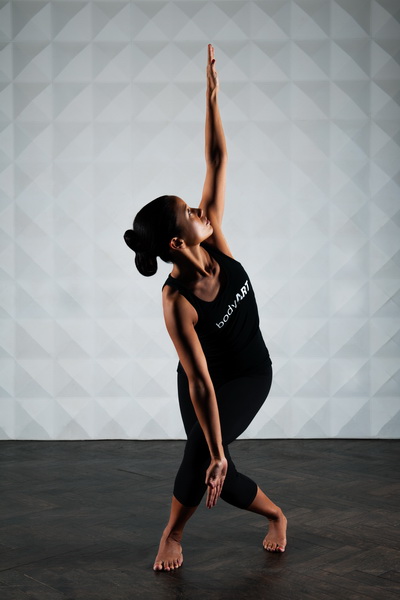
Can one achieve good results just by practising bodyART, without any changes in one’s not very healthy way of life?
Yes — the participant can improve a lot how he or she feels in their body during daily life. A lot of the participants feel less pain in their body, they have more energy and a great sideeffect: they become more curious about improving their lifestyle towards more health and balance. It’s all a matter of time. bodyART starts a process into more selfawareness.
Can one choose bodyART as the main type of training, or does it rather serve as an addition to other types of active fitness?
Yes, bodyART can be used as the main training. A lot of participants only do bodyART classes because it offers strength, flexibility and in certain bodyART styles also some cardio.
Have you heard any inspiring success stories from your followers whose lives have changed greatly due to bodyART?
Yes — there are many success stories which are very touching for us to get as feedbacks from participants. We have participants who have become completely painfree in their bodies after a certain time of training. Others have realised what makes them happy or less happy in their lives — what creates stress in their daily routine, and they start to change their lives — sometimes it means that they would look for another job or change private situations. If the human being starts to become more selfaware and takes on selfresponsibility for their wellbeing it’s a logic concequence for them to change their lives to a certain extent.
Your job is connected with travelling around the world, meeting a great number of people, giving much strength and energy in your masterclasses. How do you recover from it, how do you recreate and regain your energy? Diet, sleep, special daily routine?
I spend days inbetween by myself without much talking in nature. On a daily base I make sure to have «me-time» at least once — even if it’s just for 5 minutes. I train and practice for myself certain routines and during the year I take
What beauty product is a real must in your makeup bag?
I always have lipgloss with me.
What does your weekend start with?
Weekend? My most weekends start with a travel to place where I teach.
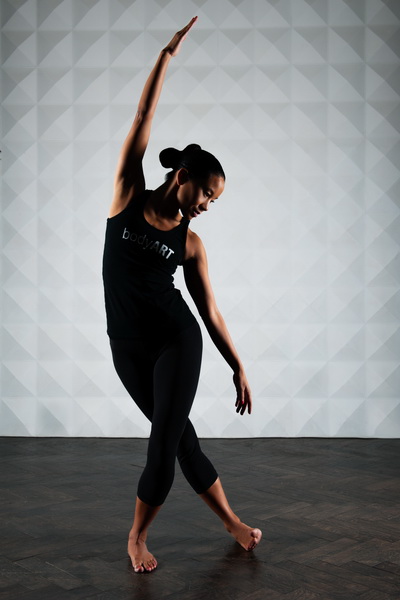
What do you do when you are in low spirits? How do you reduce stress and relax?
I slow down and treat myself nice. Maybe I go for a walk in nature, or book an appointment with the hairdresser — whatever is calling me at the moment.
Have you always been sportive and active? What kinds of sport did you do in your childhood and youth?
Yes, I always liked to be active — dance was a big passion of mine and I used to horse ride for 12 years very intensely.
Does sport leave you some space for other activities and hobbies?
I like being in nature, spending time with close friends and going to a good concert now and then.
What is more important for you — to achieve great results or to enjoy the process?
To enjoy the process — the great results will come with it!
***
A question for the New Year edition: what are your brightest childhood memories about Christmas or New Year celebrations?
I remember one year we walked into the woods in the evening time — there was a lot of snow and suddenly after a turn we were in front of a big Christmas tree which had candles — I still hear the snow underneath my shoes and see the glowing light from the candles — a magic and sacred moment shared with family in nature.